“When someone is in trouble, the hope is that they will be rescued.” Right? When academic Dr Pankhuri Agarwal wrote this statement in The Conversation, she was in fact exposing that her modern slavery research contradicts this long-held belief.[1] A quick search will show countless nonprofits around the world leading with a rescue model. That’s to say their approach is to find people living in conditions of modern slavery and pay their “slave-holder” for their release, often appealing for donations in the process. Examples of rescue model nonprofits include the controversial US cha
Speak Free
What we're talking about right now.
Europe’s Anti-Slavery Forum links economy to continued exploitation
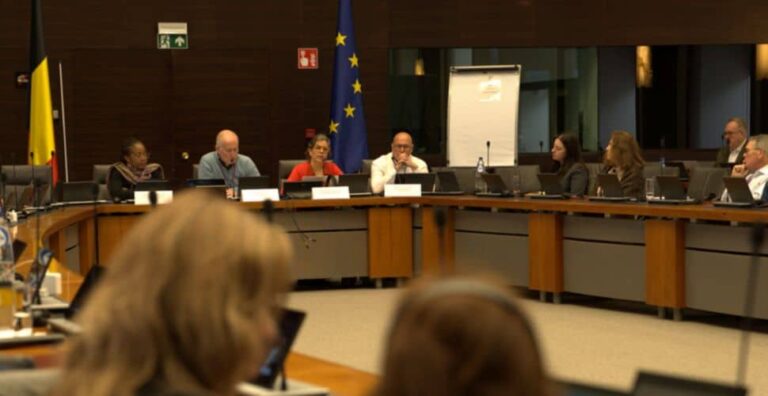
The role of business and our economic system in perpetuating modern slavery received unprecedented attention from anti-trafficking experts last week. Speakers from nonprofits, business and government joined together at the 2025 Europe Freedom from Slavery Forum, organized by Free The Slaves and hosted by the Belgian Ministry of Foreign Affairs. Increasing supply chain transparency is important. However during the event it was clear that it has failed to reduce extreme exploitation, which instead is on the rise. I witnessed, for the first time, multiple panellists highlighting the inherent
5 books to check out on World Book Day
Books do more than just tell stories—they open doors into lives we might never otherwise see. This World Book Day, my colleagues and I are celebrating the joy of reading. We also want to highlight books that challenge us, that confront harsh realities, and that tell the truth. So, we’re sharing our book recommendations for folks who want to learn more about modern slavery. Around the world, over 50 million people are trapped in forced labor, sexual exploitation, and human trafficking. These are not just numbers; they are people with names, dreams, and voices often silenced by modern sl
Watch Freedom United’s webinar: Rethinking laws to address sex trafficking
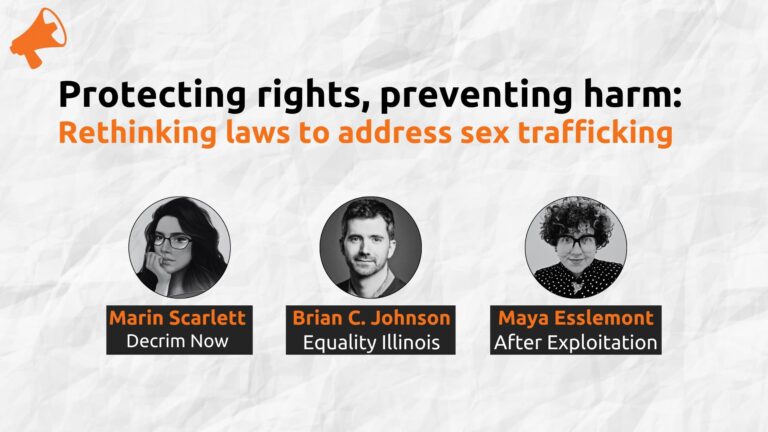
March 19, 2025, Online Event The conversation around sex trafficking and modern slavery has never been more urgent. With legislative changes underway in both the US and the UK, Freedom United invites you to watch our online panel event, "Protecting rights, preventing harm: Rethinking laws to address sex trafficking”. The discussion comes at a crucial moment. Illinois is on the cusp of making history in the US. It could be the first state to decriminalize sex work and so strengthen protections against trafficking for sexual exploitation. A newly introduced bill offers a shift in policy th
Survey results: What our supporters want from Freedom United in 2025
We are excited to share the results of our most recent community survey! Thanks to your feedback, we have a clearer understanding of how YOU want to see the Freedom United platform drive change in the fight against modern slavery—and what inspires our community the most. So, what modern slavery issues should Freedom United focus on in 2025? What ideas did you share for future events and campaigns? And what resources are most effective at helping you take action? Dive into the survey results to find out! Which of our campaigns most inspired you in 2024? The majority of you felt endi
My hope for 2025 is a profound shift in how the world views migration
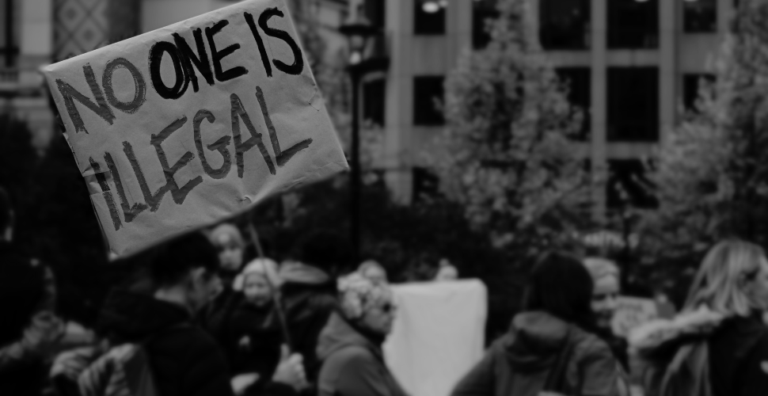
Today, on International Migrants Day, I fear that the pervasive characterization of migration as a “legitimate concern” We must continue to shed light on the human cost of governmental decisions and hold leaders accountable for failures in their responsibilities to protect us all. Migration is not a threat to be contained but a testament to resilience and a pursuit of safety, freedom, and opportunity — values that should unite us, not divide us. My hope for 2025 is a profound shift in how the world views migration—a year where migration is seen not as a problem to solve but as
California turned its back on abolition—but we can’t stop
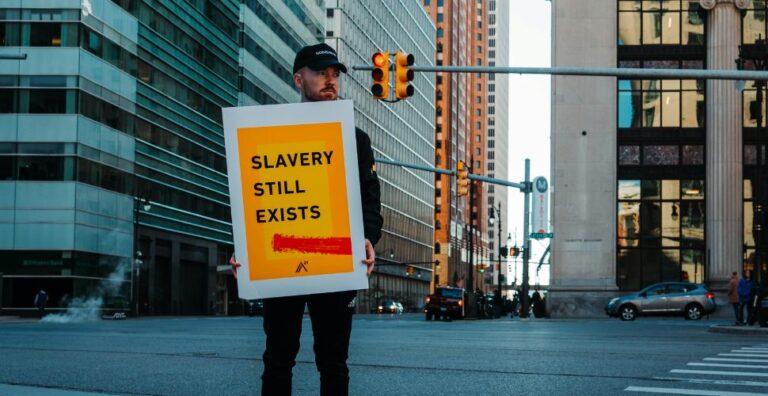
Slavery still exists in the United States. That’s not hyperbole—it’s the reality written into the constitutions of many states and, most disturbingly, in the American Constitution itself. The 13th Amendment, often celebrated for abolishing slavery, includes a chilling exception: slavery and involuntary servitude are permissible as punishment for a crime. For over 150 years, this exception clause has perpetuated a system where incarcerated individuals—disproportionately people of color—are forced into labor for little or no pay. They face threats ranging from solitary confinement to
“Social cleansing” at the Paris Olympics
Freedom United hosted a live discussion event on the Paris Olympics and trafficking. Watch it now! The 2024 Olympic Games have begun following months of preparation by French authorities engaged in what can only be described as a "social cleansing" effort. With no regard for their well-being, French police have been cracking down on those deemed “undesirable” for the image Paris would like projected on the world stage - immigrants, asylum seekers, homeless individuals, and sex workers. The ‘repression first’ approach of the French state only harms the most vulnerable and has obvi
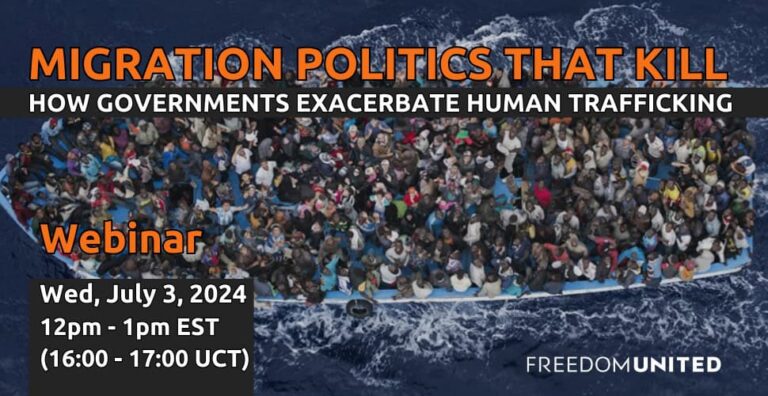
Freedom United invites you to an event on how migration politics are killing people and exposing them to human trafficking
This event is now available to watch here. Freedom United is hosting an online webinar, Migration Politics that Kill: How governments exacerbate human trafficking, on July 3rd at 12:00 pm EST, free of cost and welcome to everyone. Simply register on Zoom here to receive the link. We are sitting down with the experts at a critical moment across the globe when migration is becoming the hottest topic, and number of migrant deaths is at an all-time high. As global displacements rise due to conflict, persecution, and climate disasters, opportunities for safe, regular migration routes are closin
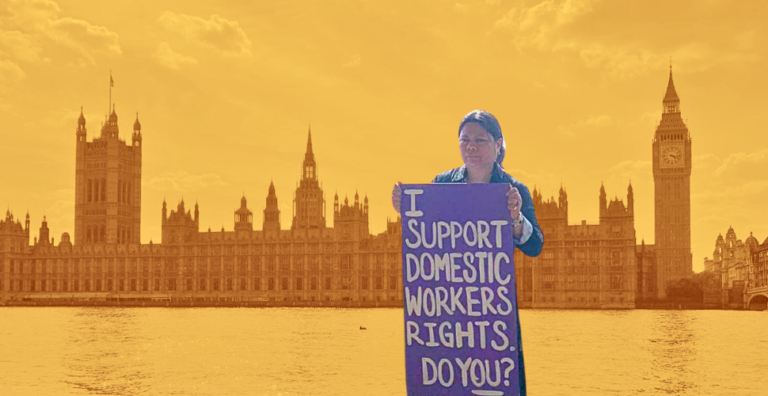
Domestic workers in the U.K. have faced 12 years of abuse and exploitation: Kalayaan’s report demands urgent reform
By Sophie Levack, Policy Officer at Kalayaan, the U.K.’s leading charity supporting migrant domestic workers Migrant domestic workers are mostly women. They make up 73% of migrants in private households globally and often face extreme laws in foreign countries, making them vulnerable to exploitation. They perform essential tasks that support families and communities, yet their contributions are often undervalued, and they face stigma and discrimination. In the U.K., migrant domestic workers are considered low-skilled and are denied the rights that other migrant workers have, including bas